A Field Guide to Boats: How to Identify What You See on the Water
Every harbor is a parade of shapes — and each shape is information. Hull, rig, superstructure and gear tell you what a vessel is for, often at a glance. Learn a few silhouettes and the waterfront turns from scenery into a readable text.
Start with the engine or the wind
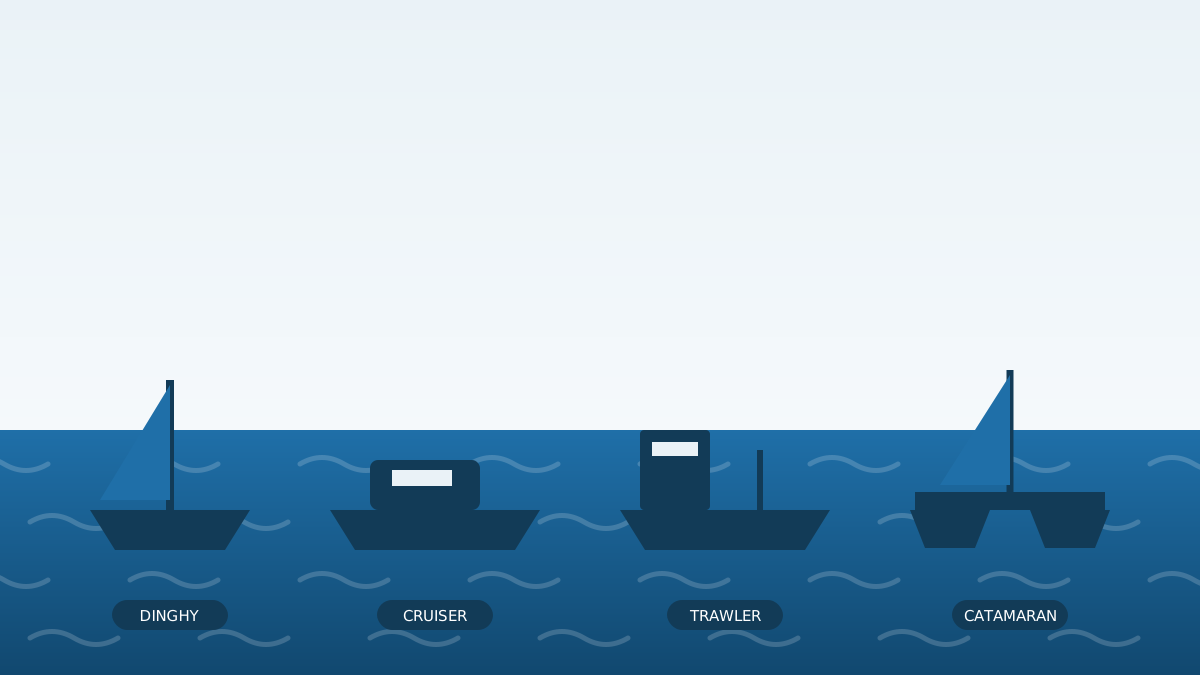
The first sorting question: sail or power? Then, within each family, form follows purpose. Under sail, the rig is the signature — a sloop carries one mast and two sails, the modern default; a cutter adds a second headsail; ketches and yawls split the plan across two masts for easier handling; a catamaran trades a single hull for two, buying space and stability.
Powerboats: read the hull line
Motor vessels declare themselves by hull and profile. Planing runabouts and cruisers ride bow-up and fast; a trawler yacht plods efficiently on a displacement hull with a tall wheelhouse; center-console boats bristle with rod holders for fishing; RIBs — rigid hulls with inflatable collars — serve as tenders, patrol craft and dive boats everywhere. Speed, freeboard and deck gear are the field marks.
Workboats: shape hardened by purpose
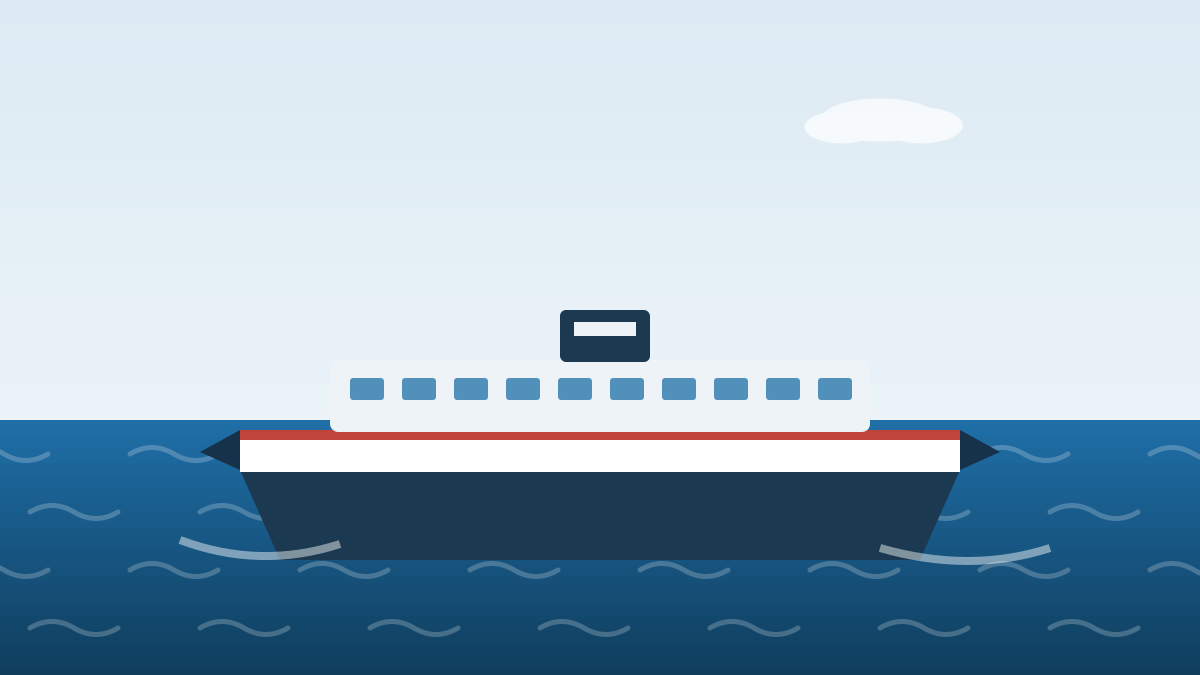
Working craft are the easiest to identify because nothing on them is decorative. A fishing trawler shows gantries, winches and net drums; a tugboat is all fendering and towing bitts around an oversized engine; a pilot boat wears its name in huge letters and boarding platforms; ferries open their ends to swallow vehicles. Read the equipment and you read the job.
Small and human-powered
The oldest family still crowds every shore: dinghies serving as tenders and trainers, kayaks and canoes tracing coastlines, rowing shells built for pure speed, and inflatables packed in car trunks. Small craft are where most people meet the water first — and where the vocabulary of boats begins.
Five field marks to check
When an unfamiliar vessel appears, run the checklist: How many masts, if any? Does the hull plane or push through the water? What gear crowds the deck? Where is the helm station? How high is the freeboard? Five answers identify almost anything afloat — the rest is practice and a comfortable bench with a view of the channel.
Conclusion
Boat-spotting is birdwatching with better weather excuses. Learn the families, check the field marks, and every waterfront becomes a guided tour you give yourself.
Frequently Asked Questions
What is the difference between a boat and a ship?
There is no single legal line, but by convention ships are large, ocean-going vessels — and a ship can carry a boat, never the reverse. Working sailors often define it simply by size and role.
What is the most common type of recreational boat?
Small outboard-powered open boats and runabouts dominate worldwide, because they are affordable, trailerable and versatile for fishing, towing and day trips.
How can I tell a sloop from a ketch?
Count the masts and note their position: a sloop has one mast; a ketch has two, with the shorter mizzen mast stepped forward of the rudder post.
What defines a trawler yacht?
A displacement hull, modest speed, long range and a wheelhouse-forward profile inspired by fishing trawlers — built for economical cruising rather than speed.
Sources & Further Reading
- International Maritime Organization (IMO): imo.org
- US Coast Guard Boating Safety: uscgboating.org
- National Maritime Museum collections and references